Original songs (originally commissioned by Canada’s former Poet Laureate George Elliott Clarke) featuring texts by acclaimed Canadian poets, supported by a Canada Council Concept to Realization Grant. Featuring eight vocalists (including Juno winners Laila Biali and Sammy Jackson) and instrumentation ranging from full orchestra to a rhythm section including Snarky Puppy drummer Larnell Lewis. Recorded at Canterbury Studios, Toronto (Aug./23) and originally released Sept. 6/24.

We acknowledge the support of the Canada Council for the Arts.
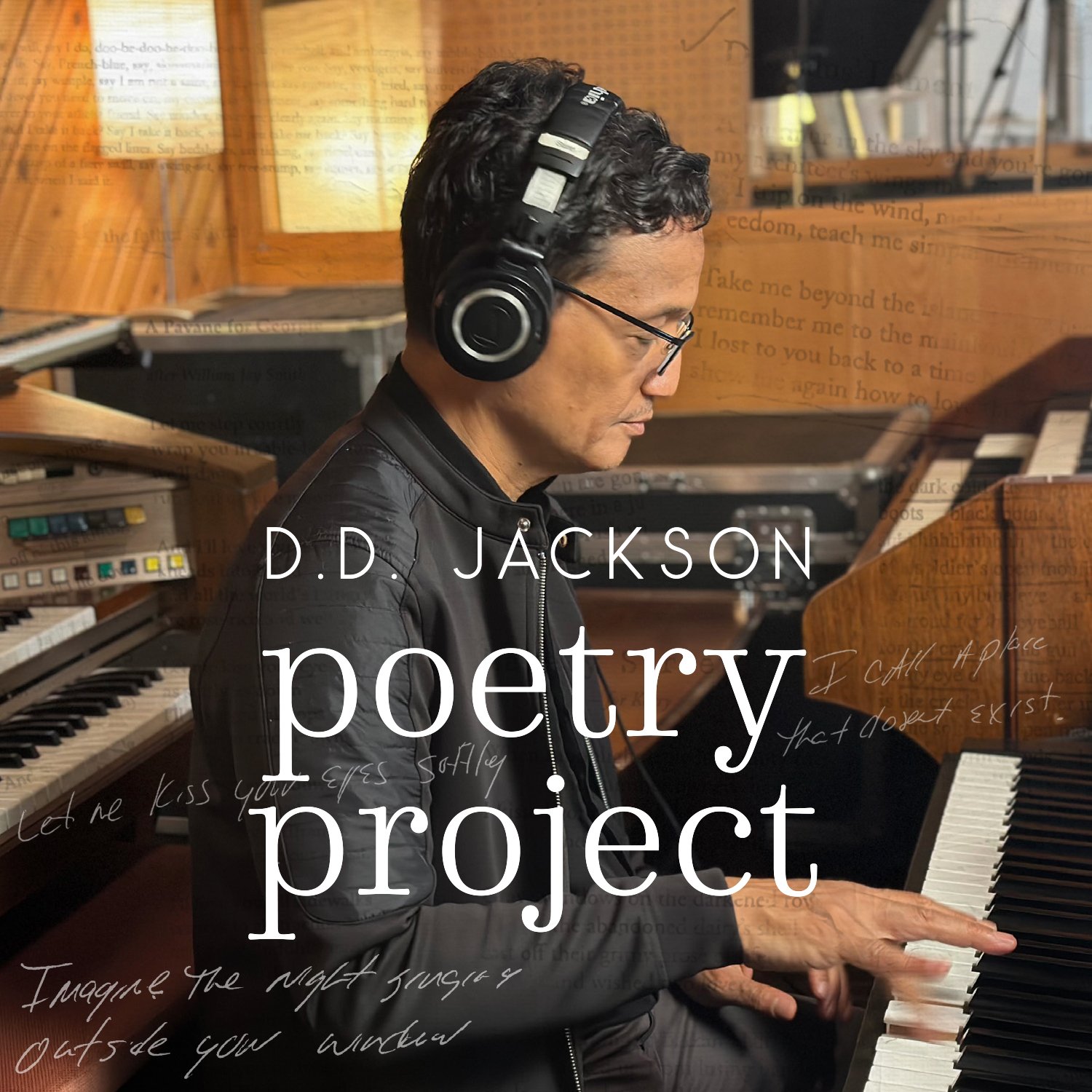
A “wonderful and ambitious blending of terrific jazz and fine Canadian poetry…a true Canadian classic” (The Free Press). Ranked #2 on the Free Press Best Jazz Albums of 2024 list. “5 stars out of 5” (Winnipeg Free Press).
Purchase CD / Download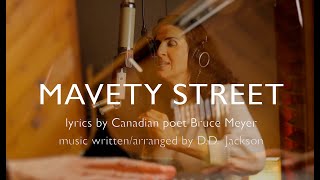
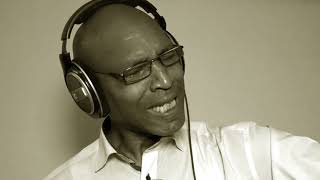
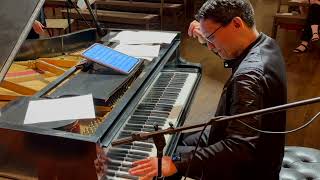
If you asked that question about most composer/musicians the answer would be incontestable; when you know an artist’s previous work, the next step is usually no surprise. D.D. has made a career out of defying the obvious conclusions or projections.
In his native Canada, at the age of six, he advanced so quickly as a pianist that his music teacher sought advice about how to avoid squelching his development. His early path led to Indiana University and studies with the renowned Menachem Pressler, a fierce, towering presence who had made his Carnegie Hall debut in his early twenties.
D.D.’s burgeoning interest in improvising disappointed his would-be mentor, who had already expressed opposition to anything but a doctrinaire approach to the classics. But it didn’t take long for the young pianist to discover two other keyboard masters: Jaki Byard, an equally renowned music educator who was best known for his decade-long tenure with Charles Mingus; and Don Pullen, another Mingus veteran, who also co-led a fiery, multi-dimensional band with saxophonist George Adams. Continuing his studies, D.D. received a post-graduate jazz degree from the Manhattan School of Music.
My introduction to D.D. was in the early ’90s, when he filled in at a club in his hometown of Ottawa for an ailing Pullen in a band led by reed player Jane Bunnett and featuring saxophonist Dewey Redman and drummer Cindy Blackman. It was deep company, and the young pianist more than held his own. Additional appearances with violinist Billy Bang and on his own as a soloist cemented my impression that D.D. was someone to watch.
As a genre-defying improvising pianist, he found triumph after triumph, first as a sideman with David Murray and via a series of recordings as leader on the Montreal-based label Justin Time. During this time, I saw him on multiple occasions, and was constantly impressed by both his bountiful well of creativity and the physicality of his playing—which placed him in territory that had been pioneered by pianists like Pullen, Cecil Taylor, and Marilyn Crispell. It seemed like a natural next step when D.D. signed a contract with the mammoth RCA Music Group.
But the deal turned sour after a pair of albums and in the mid-2000s—after a return to Justin Time and a series of three varied recordings culminating in Serenity Song—he found himself drawn increasingly to home life with his young children and a deep dive into emerging music technologies.
“It was pretty amusing,” he recalls. “I suspect many of my jazz fans probably thought I’d lost my mind, sold out, or some combination of the two. However, I found this world as fascinating and uniquely challenging as anything I’d done in the jazz sphere.”
He also found a new creative outlet writing music for TV, including popular children’s shows like The Wonder Pets!, Clifford the Big Red Dog, and Sesame Street, culminating in a couple of dozen episodes of the popular show Peg+Cat, for which he netted two Emmy Awards and nominations for three others.
Other collaborative work saw him joining Questlove and The Roots, as pianist, arranger, and producer, on two recordings and at several performances, including one at Radio City Music Hall.
He also turned his hand to education, joining the faculty of Jay Z’s Roc Nation school at Long Island University, Brooklyn, teaching at Brooklyn College’s Feirstein Graduate School of Cinema, and Hunter College, as well as serving as Chair of Jazz and Contemporary Studies at the Harlem School of the Arts.
Along the way, he found time to begin exploring musical theater, working off-Broadway on MytholoJAZZ and collaborating with renowned Canadian poet George Elliott Clarke on the operas Québécité and Trudeau: Long March/Shining Path. But, as his television and teaching work increased, formal stage work and recording began to take a back seat.
The spark to reignite these interests came again from Clarke, who reached out to D.D. in early 2021 with a request to compose music for a poem he wanted to give his daughter Aurelia for her birthday. That became “Self-Composed,” a piece that features vocalist John Lindsay-Botten, a tenor who also was part of the Trudeau cast. Another poem, written by Clarke’s partner, Giovanna Riccio, became “Daedalus’ Lament,” which is performed by D.D. (his recorded vocal debut) along with the Czech National Symphony Orchestra.
“This project actually came at a great time for me because I’d found myself saying ‘no’ more and more to children’s TV projects and starting to increasingly crave the chance to again write my own music without any imposed parameters.
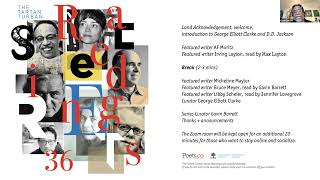
“So what began as a one-off request eventually led to a total of 13 songs I set to quite a diverse cross-section of—mostly living—Canadian (and one Chinese) poets. In each case, George—in his elegant, ‘analog’ way—would snail-mail me a new suggestion, often with a very poetic, handwritten introduction, of each poet he had chosen. This allowed me to pick poems to which I felt I could make a meaningful musical contribution. George also set up a number of Five Poets Breaking Into Song Zoom ‘soirées’ in which we would gather to premiere several of these commissions and listen to the poets recite their own works.
“Ultimately, my goal was to let the poetry dictate what stylistic approach to take, and I felt confident that, regardless of perceived style, the sum total of the album would still somehow feel like me.”
Once it became apparent that these COVID-era words-and-music Zoom calls were coalescing into something special, D.D. set about conceptualizing who he should approach to provide the musical settings.
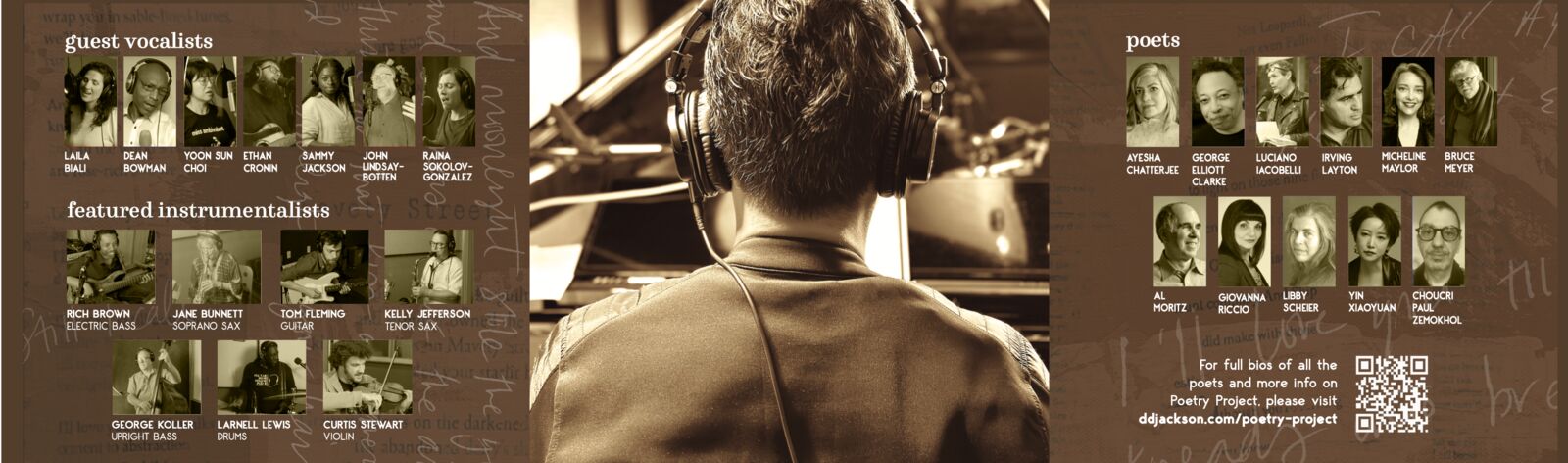
As a rhythm section, he landed on Larnell Lewis—best known for his work as the drummer for Snarky Puppy—and bassists George Koller and Rich Brown. He reached back to Jane Bunnett, tapped another Toronto-based saxophonist, Kelly Jefferson, and Toronto-based Tom Fleming added guitar on two tracks.
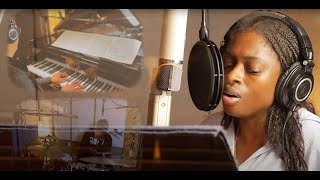
Then, he shifted his attention to the vocalists. Along with Lindsay-Botten, he secured the services of Laila Biali, Sammy Jackson (no relation), Ethan Cronin, Dean Bowman, who portrayed D.D.’s father in Québécité, and Yoon Sun Choi—who was D.D.’s mother in the same opera. The vocals are rounded out by Raina Sokolov-Gonzalez, an upcoming Brooklyn-based singer who is the daughter of the exceptional vocalist Lisa Sokolov and poet/actor David Gonzalez, both former collaborators of D.D.’s.
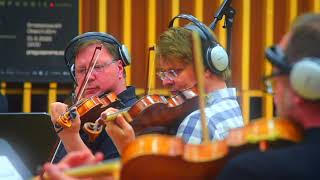
The cross-generational family and professional ties don’t end there; also onboard are violinists Camille Vogley-Howes, daughter of D.D.’s longtime collaborator violinist Christian Howes, and Curtis Stewart, son of the great tuba player Bob Stewart, who played alongside D.D. in bands with Bang and saxophonist Hamiet Bluiett.
For those of us who have missed D.D.’s fulsome, rhapsodic piano playing as a leader, this marks a most welcome return.
“I guess you could say that George’s commissioning of me really helped me start to think about re-addressing my jazz and related writing. After writing so many songs for television I was particularly prepared for, and welcomed, the fun challenge of writing in song form. Maybe equally important, this album was in part my attempt to do a deep dive into my Canadian roots, a ‘coming home’ of sorts for me—both in the Canadian-ness of most of the poets (including George, who started it all), but also the musicians I chose to bring into the project, and even my choice of the main recording studio (the Canterbury Music Company in Toronto) where I deliberately chose to record.”
Like everything he has turned his hand to since he first sat on a piano bench as a child, this recording finds D.D. all the way in, highly expressive, passionate, and sounding joyous.
During the first salvos of the COVID Pandemic that dominated 2020, decimating peoples and depressing incomes, I realized I was—as a tenured, well-funded prof—augustly privileged. So, I thought to aid outta-commission composers by commissioning songs derived from Canuck-authored poems. Why? I came to poetry as a teen wanna-be lyricist, who, decades later, drafted two opera libretti for jazz maestro D.D. Jackson.
After first engaging avant-garde composer James Rolfe (for whom I penned the verses for our Beatrice Chancy [1998]), to set curated, Canadian poems, I asked D.D. to perform the same miracle. His Poetry Project’s 13 songs prove that a poem is moot without music, that a poem is silent unless sung, each word descanting from aria to holler, or from blues moan to snazzy scat.
“A Pavane for Georgie” bids me blush, for it expresses poet Giovanna Riccio’s amour pour moi, “G.E.C.” Intriguingly, a pavane is a courtly dance for couples, and so, assuredly, Jackson’s melody affiances his sprightly fingered keyboards to Tom Fleming’s harp-like, mellifluous guitar, and fuses both to galloping, bongo taps—riffs just clipping along. For her part, Sammy Jackson’s singing—as zesty as lightning—recalls the la-di-da balladry of classic Beatles. Acknowledging Death’s ultimate seduction of Love, Riccio’s intimate couplets nod to canonical, ironical pavanes by Ravel et Fauré.
“Mavety Street” is Bruce Meyer’s autobiographical paean to a downtown Toronto, two-way street where four lips met and kissed, spurring two singles to become one couple. Meyer’s quatrains echo U.S.-U.K. poet W. H. Auden’s rye-and-ginger lyrics about shy, wry love, while Jackson’s melody suffuses the atmosphere with lush, plush moonlight via notes as spare yet sonorous as tuning forks. Laila Biali’s vocals hover and swoon, accenting the tango between passion and romance, while George Koller’s bass strokes the words, Larnell Lewis’s cymbals splash, and Jane Bunnett’s soprano sax lilts as sensual and sinuous as whispered pillow talk….
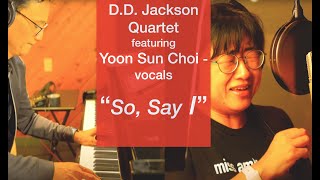
“So, Say I” cascades ragtime-jumpy, striding, piano notes, deriding any rests, parading moral panic, i.e., manic and percussive, concussive repercussions: The syllables babble; the consonants figure Dissonance; the vowels trigger howls. Yoon Sun Choi’s voice squeals, bays, brays, the blues of a libel-loud, tribal squabble, all via rat-a-tat-tat scat. Métis poet Micheline Maylor’s poem recording marital discord moves nimbly along to the strident groove of Lewis’s unstoppably bebopping drum kit, and the loping of the bass, rhythmically akimbo despite Koller’s limber groping. Communicated? The brouhaha of duelling, mewling lawyers, grumpy et right some agitated….
“Daylight Shooting in Little Italy” is, yep, a True Crime story: The murder of a deadbeat dice-roller. Himself an ex-gambling addict, Luciano Iacobelli (1956–2022) witnessed the 2012 shooting of Johnny “Maserati” Raposo in Toronto. As scored by Jackson, Iacobelli’s poem echoes 1970s Blaxploitation soundtracks: Hear the shotgun blasts of Tower-of-Power-imitative horns, but also the coup-de-grâce fusillades of Rich Brown’s electric bass. Jackson’s keys, Lewis’s drums, plus additional, precision-strike percussion ratchet up the grindhouse vibe. But U.K. guitarist Ethan Cronin stars: His voice detonates Iacobelli’s words, so they reverberate, ricocheting, cannonading us with cross-fire….
“Because You Squeezed Back,” by Jewish-Canadian poet Irving Layton (1912–2006), is surprisingly winsome, even cinematically Fellini-esque, thus flouting his notorious penchant for macho, T & A odes. John Lindsay-Botten’s tenor—that emotive quaver—waltzes and polkas along with Jackson’s piano, itself either courting romantic nostalgia or cavorting amid a Mediterranean trattoria’s din. Likewise, the drumming lays out either serenading brushes or an oom-pah beat accented by vibraphone and accordion. Equally resonant? Eloquent cello, acoustic bass, sounding the heart. We hear a waltz that doubles as a tango.
“The Father’s Dream” depicts War’s terrors which can so disorder survivors that they later inflict tortures—psychological and physical/sexual—upon their own loved ones. That’s the thesis of Libby Scheier (1946–2000), whose poem tells of a WWII boy, his childhood so Nazi-traumatized, he matures into a monstrous father. Composer Jackson’s voice is the aptly bluesy pairing for his plangent piano and the poignant violins of Camille Vogley-Howes and Lana Auerbach. Kayla Williams’s threnodic viola and Raffi Bolden’s elegiac cello also stage trilling that soon turns menacingly thunderous.
“2641 Fuller Terrace” pinpoints the flat where I dwelt, January–October 1997, with Haligonian “blues genius,” Gibert “Gilly” Daye, whose ever-strummed guitar supplemented LPs and 45s, covering everyone from Wilson Pickett to Muddy Waters. D.D. Jackson scores this Daye homage with strep-throat-style, obstreperous—and/or sinewy—tenor sax (Kelly Jefferson), spiky organ (Jackson), a piano throwing down Funkadelic (Jackson), a bass warbling electricity (Brown), drums trumpeting and stomping (Lewis), a guitar attaining Hendrix-stratospheric heights (Fleming). And Dean Bowman? Ooh! His inimitable, Tarzan yodels, screeches, caterwauling, just tear the roof off the sucker!
“Self-Composed” is originally an untitled poem from my children’s book, Lasso the Wind: Aurélia’s Verses and Other Poems (2013). I asked D.D. to score these verses as a 23rd birthday gift for my daughter, Aurélia, in 2021. The maestro endorsed the theme—that Beauty is omnipresent (if at first unnoticed)—by orchestrating exquisitely caroling or quarrelling strings that crescendo into a piano-stirred, spectacular squall, the storm-surge propelled by a string quartet featuring Damian Bolotin’s defiant violins and Ben Trigg’s stringent cello. Lindsay-Botten’s show-stopping vocals begin as wistfully as a child yearning for affection, but end as dynamically as a superhero destroying an enemy army.
“On Silence”—as interpreted by Composer Jackson—transforms Indo-Canadian poet Ayesha Chatterjee’s typically metaphysical meditation into a Rat Pack-reminiscent torch-song: Sammy Jackson’s vocals croon a swooning combo of Lena Horne and Yma Sumac alongside D.D.’s Las Vegas Lounge-lizard keys (thrillingly Beatnik-James-Dean moody), plus Koller’s earthy and/or down-n-dirty bass, and Lewis’s versatile, always on-the-money, kicking or ticking ‘skins.’ The piece insists that ‘Silent Night’ is rich with crickets’ bluesy mating calls and the humming or bleating or droning of other brooding creepy-crawlers, all spot-lit by the moon.
“Alternating Current” is the sole, non-Canadian lyric, inked by Chinese poet Yin Xiaoyuan, who relishes surreal, labyrinthine images. A Beijing-based bard, translated and published widely in English, Yin produces a unique and oneiric vision, one that composer Jackson scores serendipitously for Yoon Sun Choi’s simultaneously ethereal and cacophonous scat—and then her astonishing recital, alternating nursery-rhyme playful and mixed-message Gothic, or Dr. Seuss vaudeville b/w horror-film Bernard Hermann. Curtis Stewart’s violin, Koller’s bass, the booming drums of Lewis, all romp and/or stomp in tempestuous tempo with Jackson’s madcap piano.
“I Call”: Choucri Paul Zemokhol’s multicultural, polyglot DNA, synthesizing Lebanese, Syrian, Egyptian, English, French, plus a Cairo boyhood and Montreal adolescence, yields a poet of complex insight and outlook. His lyric demands a response from the ineffable and the unknowable, the invisible and the disappeared, but his appeal ends in dismay and disappointment. Call this poem an existential(ist) blues. Jackson’s piano graces—paces—the pleading, unanswered, and unanswerable vocals of Raina Sokolov-Gonzalez. Unable to reach beyond The Great Beyond, she confronts the otherwise dreadful Silence by announcing, “I answer,” via a crashing tsunami of piano notes.
“Coda: The Blues,” by the Ohio-born Al Moritz, underscores the Am-Can poet’s adoration of vintage African-American blues, and particularly the songs of Skip James (1902–1969), whose career got Great Depression-kiboshed. Addressing his organ to a storefront church—and to a hoochie-coochie brothel, simultaneously, keyboard wizard Jackson bids Fleming’s guitar to go get saved and Brown’s bass to go bash the devil, while Lewis’ drums symbolize the brush-and-cymbal celestial or punctuate the Sally-Ann hellishness of being down-and-out. Bowman’s vocals swing between biography and discography, the citified and the gritty, so articulately discombobulating, consummately head-bobbing, ululating….
“Daedalus’ Lament” is poet Giovanna Riccio’s wistful, dramatic monologue in the voice of Greek mythological figure, Daedalus, mourning his son, Icarus, whose arrogant flight too near the sun caused his wax-and-feather wings to disintegrate, plunging him mortally into the Aegean. Composer Jackson vocalizes the elegy, handles the keys, and summons—via his superb orchestration—the Czech National Symphony to augment his Poetry Project’s supremely melodic finale. Symphonic horns embroider Sorrow with sighs and sobs, while orchestrated strings mimic Tragedy’s headwinds, tailspins, and death spirals. Yet, Melancholy is understated, for the stately score conjures a measured, funeral cortege for the Hubris-felled hero.
Thanks to all the poets for their unique and inspiring contributions to Poetry Project, and special thanks to George Elliott Clarke (plus Giovanna Riccio!) for originally commissioning the songs.
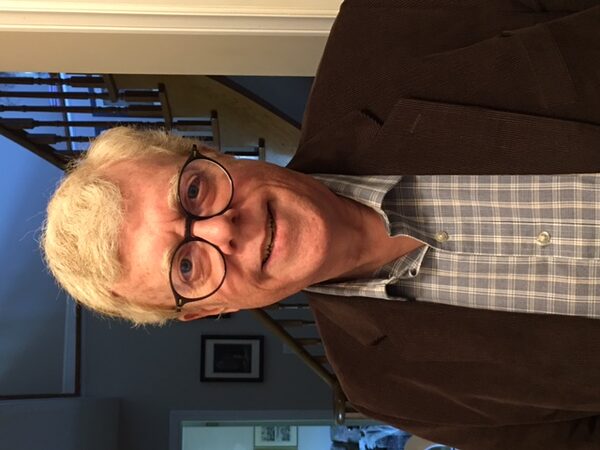 Bruce Meyer
Photo by Kerry Johnston
Bruce Meyer
Photo by Kerry Johnston
Author of 77 books of poetry, short stories, nonfiction, memoirs, and textbooks, three of which were national bestsellers. The survivor of a liver transplant and the inaugural Poet Laureate of the City of Barrie, he is professor of Communications at Georgian College.
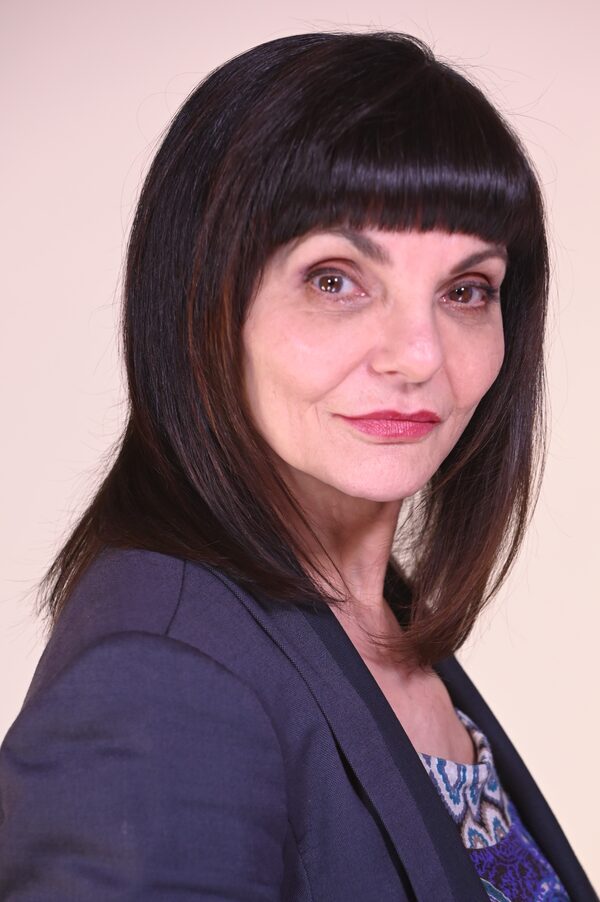 Giovanna Riccio
Photo by Dan Bowman
Giovanna Riccio
Photo by Dan Bowman
Prize-winning poet and teacher. Born in Calabria, Italy, she immigrated to Canada as a child. Author of Vittorio, Strong Bread, and Plastic’s Republic (finalist for the 2022 Bressani Literary Prize).
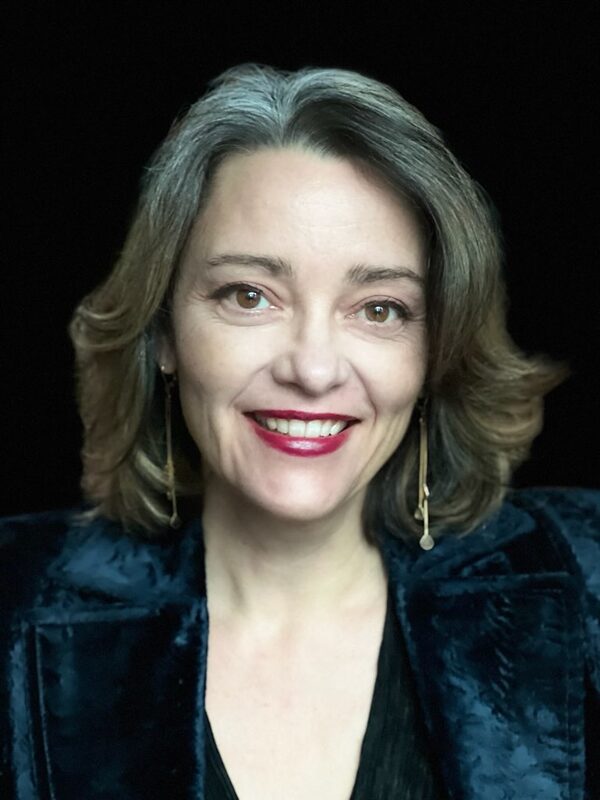 Dr. Micheline Maylor
Photo by Jeff Kovitz
Dr. Micheline Maylor
Photo by Jeff Kovitz
Poet Laureate Emerita of Calgary (2016–18), awarded the Queen’s Platinum Jubilee Award for literary contributions to Alberta in 2022. A Walrus talker, TEDx talker, and Calgary Public Library Author in Residence (2016). Her book The Bad Wife won the BPAA Robert Kroetsch Award.
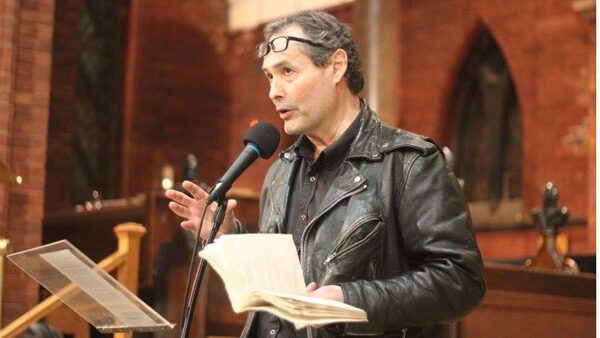 Luciano Iacobelli
Photo by Bänoo Zan
Luciano Iacobelli
Photo by Bänoo Zan
Toronto poet, playwright, visual artist, creative writing teacher, and publisher (d. 2022). Author of six books of poetry and numerous chapbooks, he was also owner and supervising editor of Quattro Books and founder of Q Space in Toronto’s Little Italy.
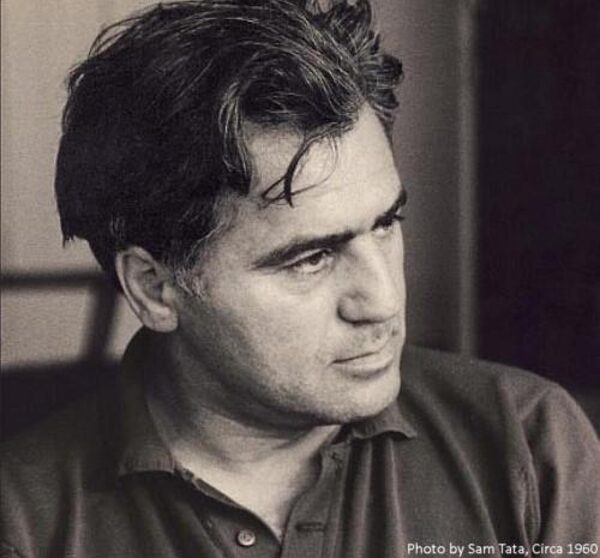 Irving Layton
Photo by Sam Tata
Irving Layton
Photo by Sam Tata
Born in Romania, raised in Montreal (1912–2006). The volcanic centre of modern Canadian poetry from the 1940s through the 1960s. His honors included two Nobel Prize nominations, Italy’s Petrarch Prize, and the Governor General’s Award. When Layton died, one of his pallbearers was Leonard Cohen: once his student, always his close friend.
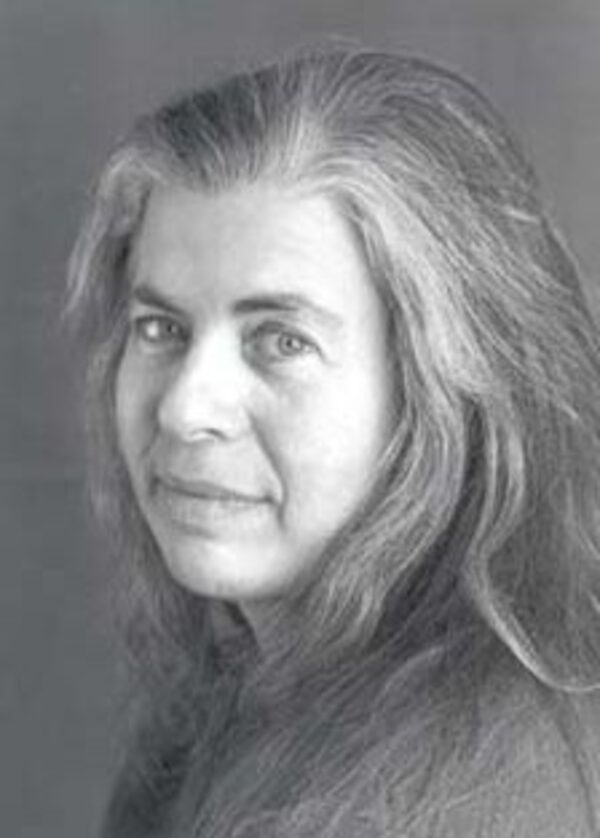 Libby Scheier
Photo by Paul Till
Libby Scheier
Photo by Paul Till
Born in Brooklyn, moved to Toronto in 1975 (1946–2000). She held offices in The Writers’ Union of Canada and served on P.E.N. International’s Writers-in-Prison Committee. She believed fiercely in the link between poetics and ethics, writing and social justice.
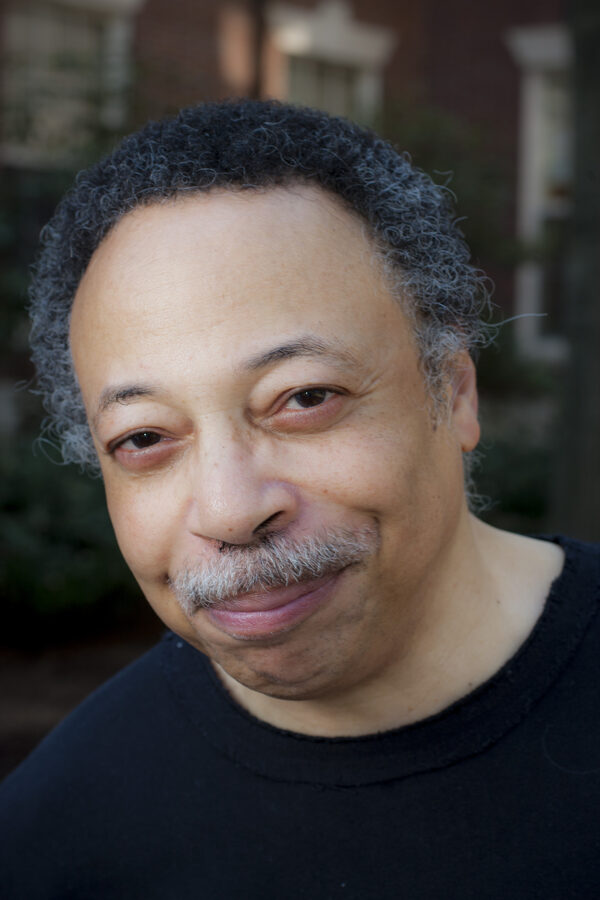 George Elliott Clarke
Photo: Harvard University
George Elliott Clarke
Photo: Harvard University
4th Poet Laureate of Toronto (2012–15) and 7th Parliamentary/Canadian Poet Laureate (2016–17). Scholar of African-Canadian Literature at the University of Toronto; has also taught at Duke, McGill, and Harvard.
Clarke’s recognitions include the Governor-General’s Award for Poetry, the Pierre Elliott Trudeau Fellows Prize, the Rockefeller Foundation Bellagio Centre Fellowship, and International Fellow Poet of the Year (China, 2019). His prized titles include Whylah Falls (1990), Beatrice Chancy (1999), Execution Poems (2000), and Blues and Bliss (2009).
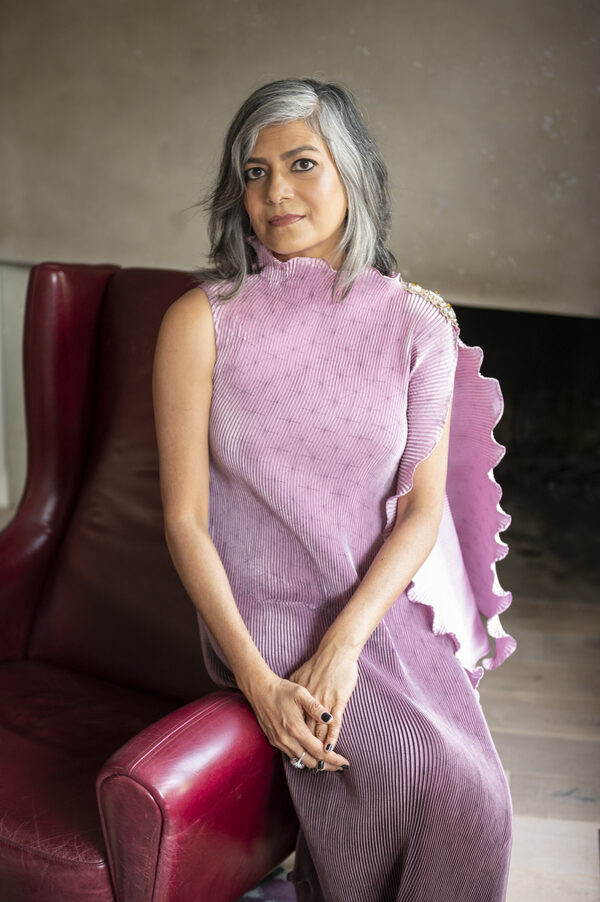 Ayesha Chatterjee
Photo by Neda Nevaee
Ayesha Chatterjee
Photo by Neda Nevaee
Born and raised in Kolkata, India, has lived in five countries on three continents. Author of The Clarity of Distance and Bottles and Bones. Past president of the League of Canadian Poets. She lives in Toronto.
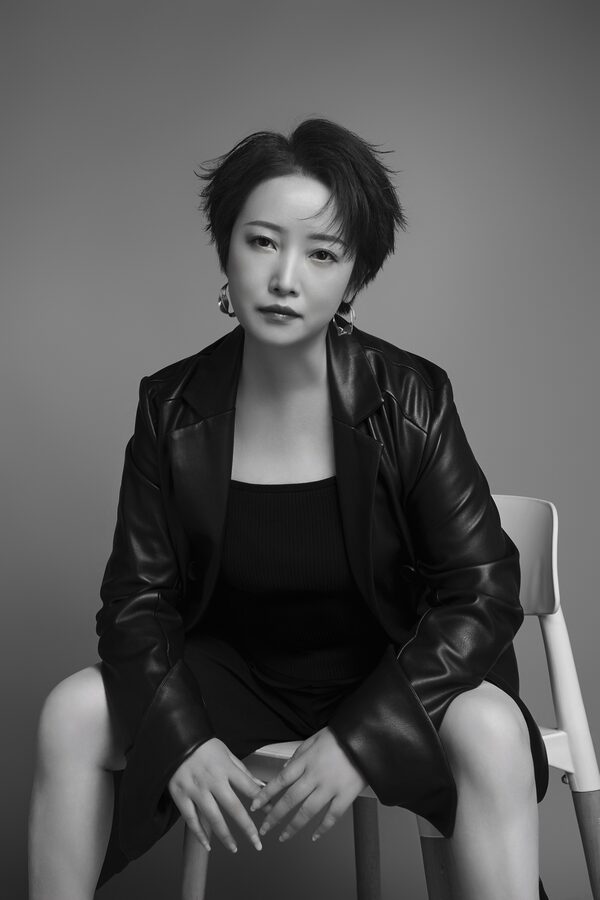 Yin Xiaoyuan
Founder of Encyclopedic Poetry School (est. 2007). Member of Writers’ Association of China, Translators’ Association of China and Poetry Institute of China. Published 11 books including 5 poetry collections; works translated into 50+ languages. Also a mountaineering enthusiast.
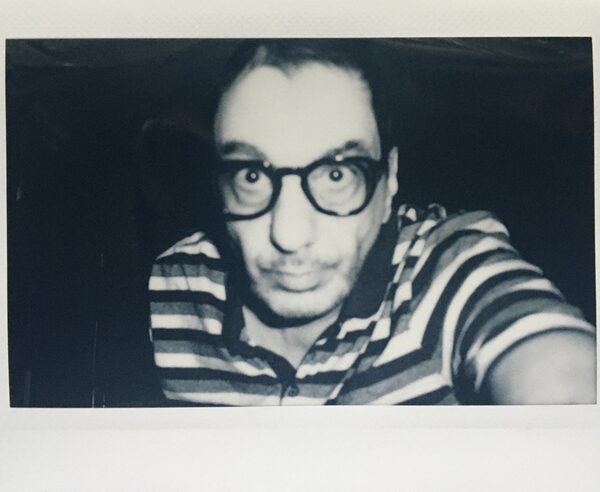 Choucri Paul Zemokhol
Has conspired with vowels and consonants to concoct the chapbooks Apocrypha and No hope, No help, No tea, and fabricated a full-length book, A River at Night. He was last seen in Toronto, in league with other contrivers.
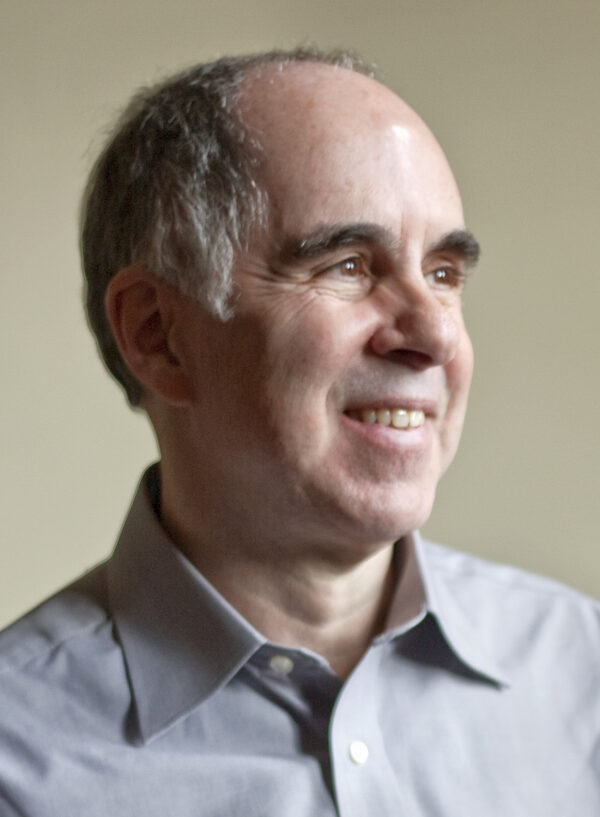 A.F. Moritz
Photo by Steve Payne
A.F. Moritz
Photo by Steve Payne
American-born Canadian poet. Most recent books include Great Silent Ballad (2024) and The Garden (2021). His work has received the Griffin Poetry Prize, Guggenheim Fellowship, and Award in Literature of the American Academy of Arts and Letters.
Early demo recordings of the Poetry Project songs:
Here are the two live “Five Poets Breaking Into Song” events in which the above songs were premiered, interspersed with the various poets reading additional poems and some fun discussion/analysis of all of the above:
More coverage of Poetry Project can be found in:
Jazz Recordings Reviews/Features Press Quotes Podcast/Radio Interviews
 D.D. Jackson